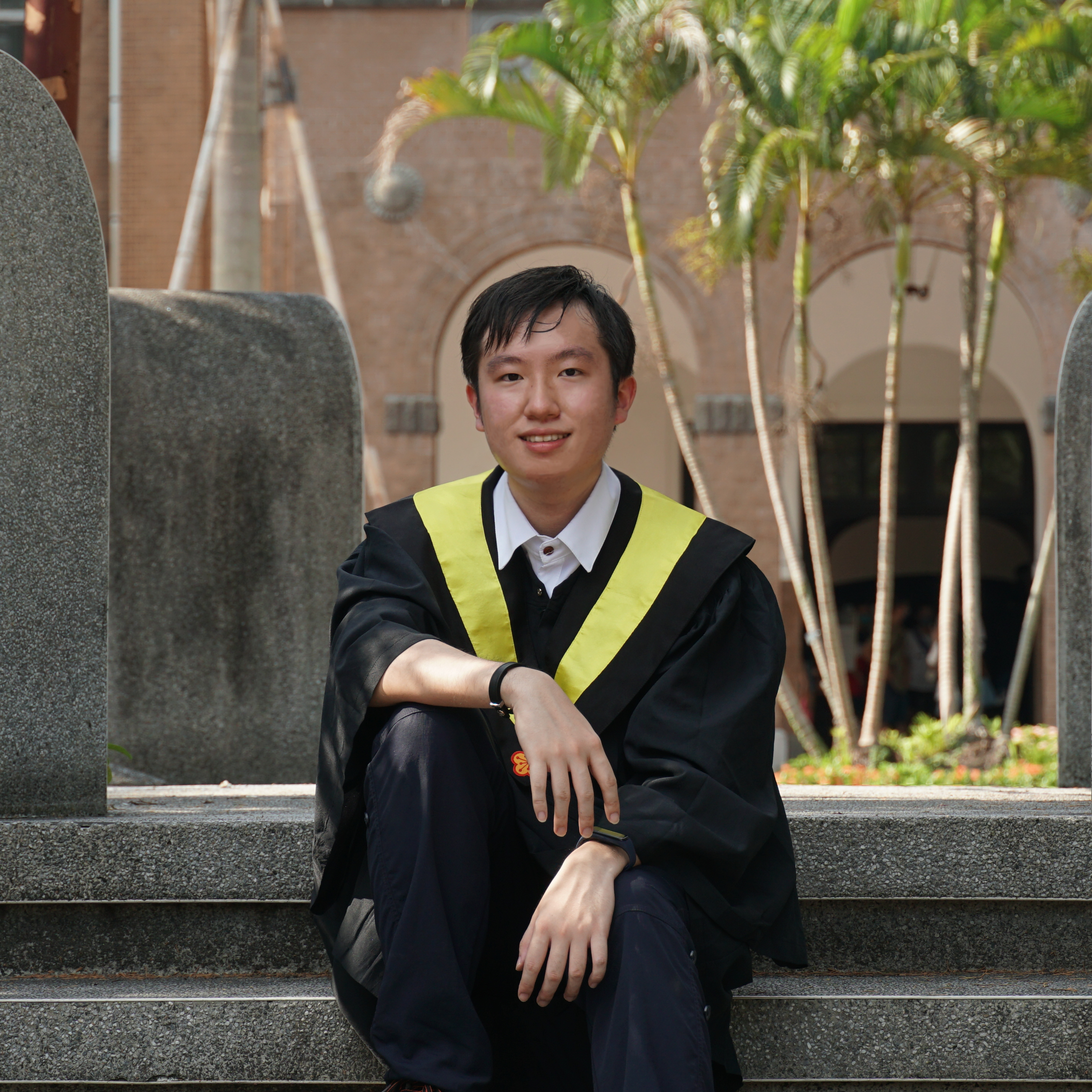
Hua-Ta (Eric) Liang is a robotics engineer working on autonomous driving systems. As an
Application Engineer at WeRide, he was one of two engineers on the field team that launched
robotaxi operations in Madrid, handling vehicle bring-up, sensor calibration, HD map data
collection, and on-vehicle software validation. He also served as the on-site technical
contact for regulators, and the launch contributed to Spain's first national Level 4
autonomous vehicle permit.
In the US, he operated a 3-vehicle robotaxi fleet that logged more than 2,500 fully
driverless miles. He triaged on-road events across perception, planning, localization, and
hardware, traced their root causes for R&D, designed takeover test cases, and wrote
cross-module requirements such as a bus-yielding behavior PRD.
He holds a Master of Engineering in Autonomy and Robotics from the University of Illinois
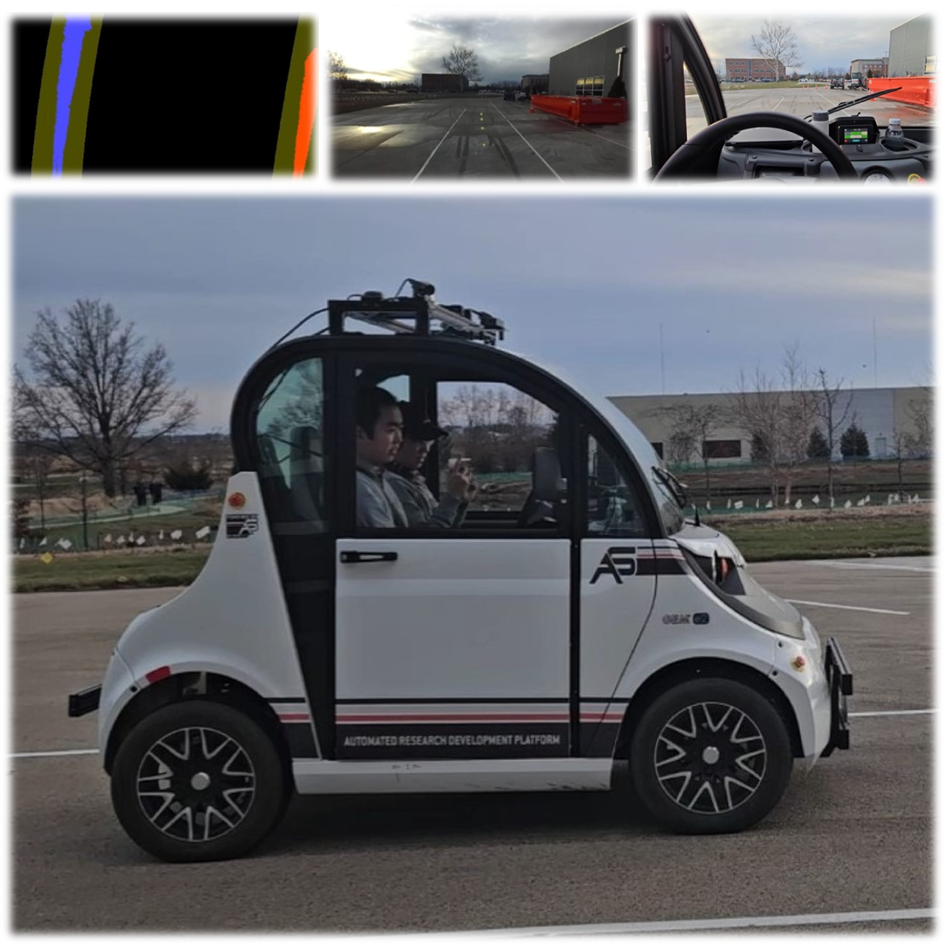
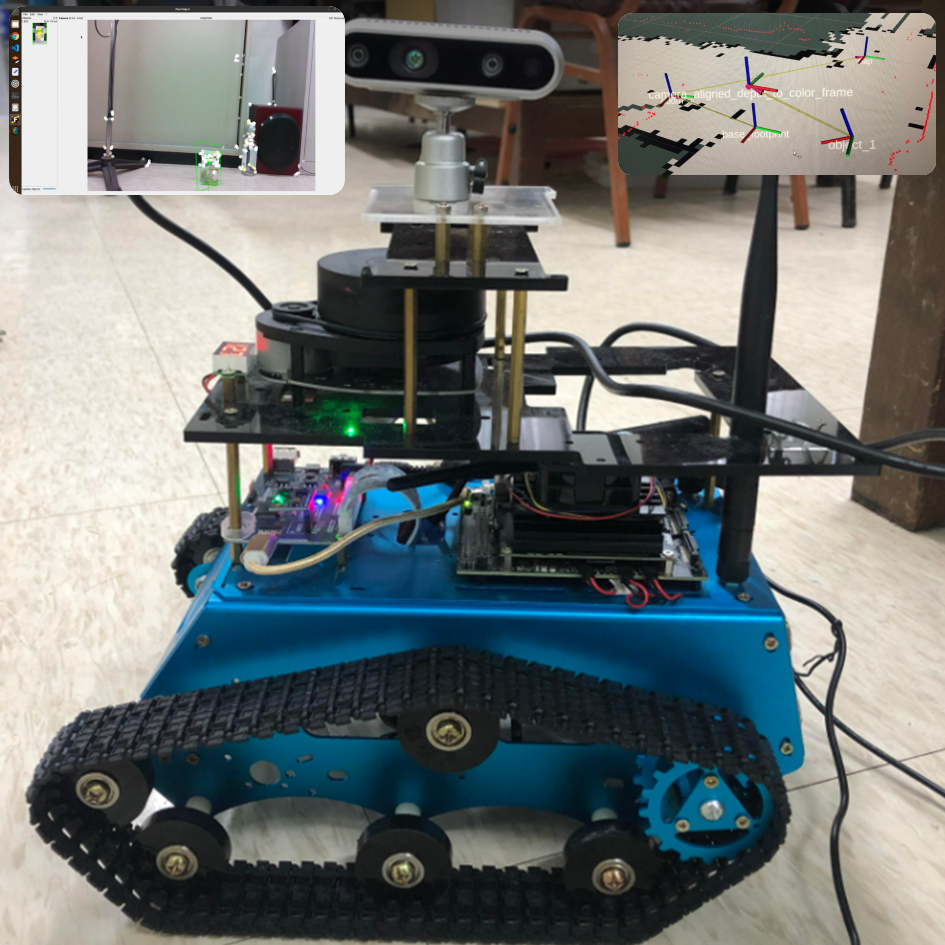
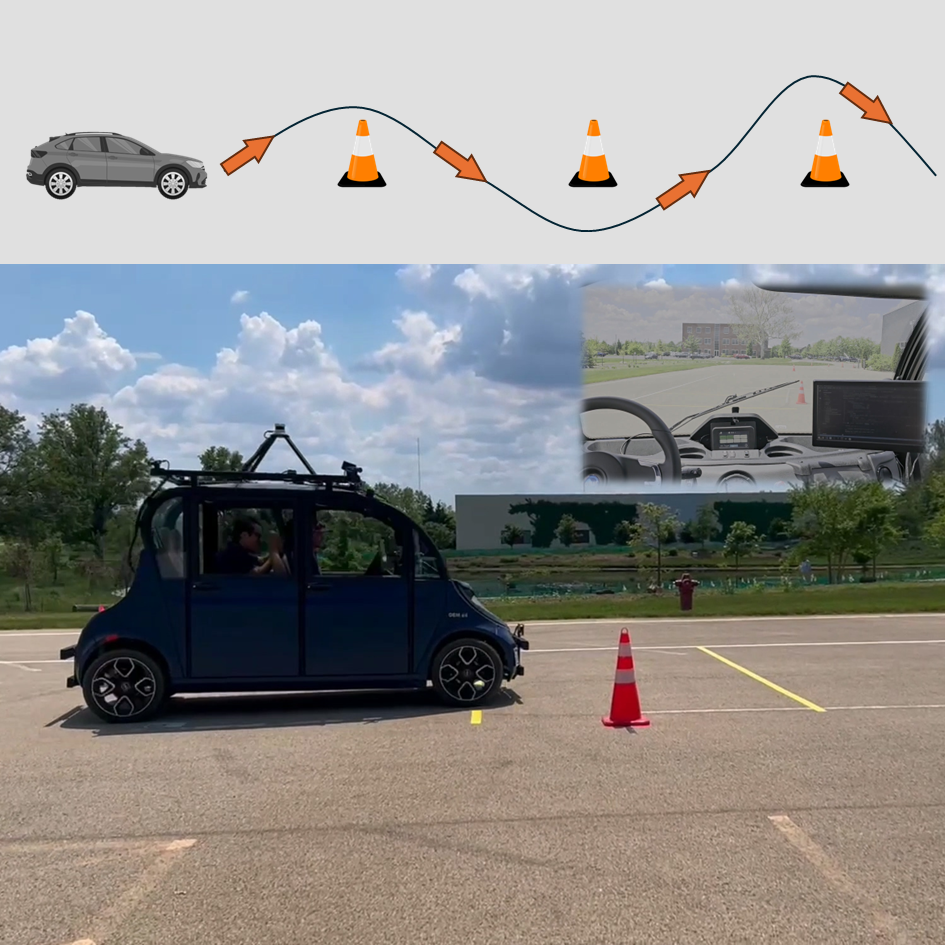
Urbana-Champaign, where he built projects across the autonomy pipeline: vision-based
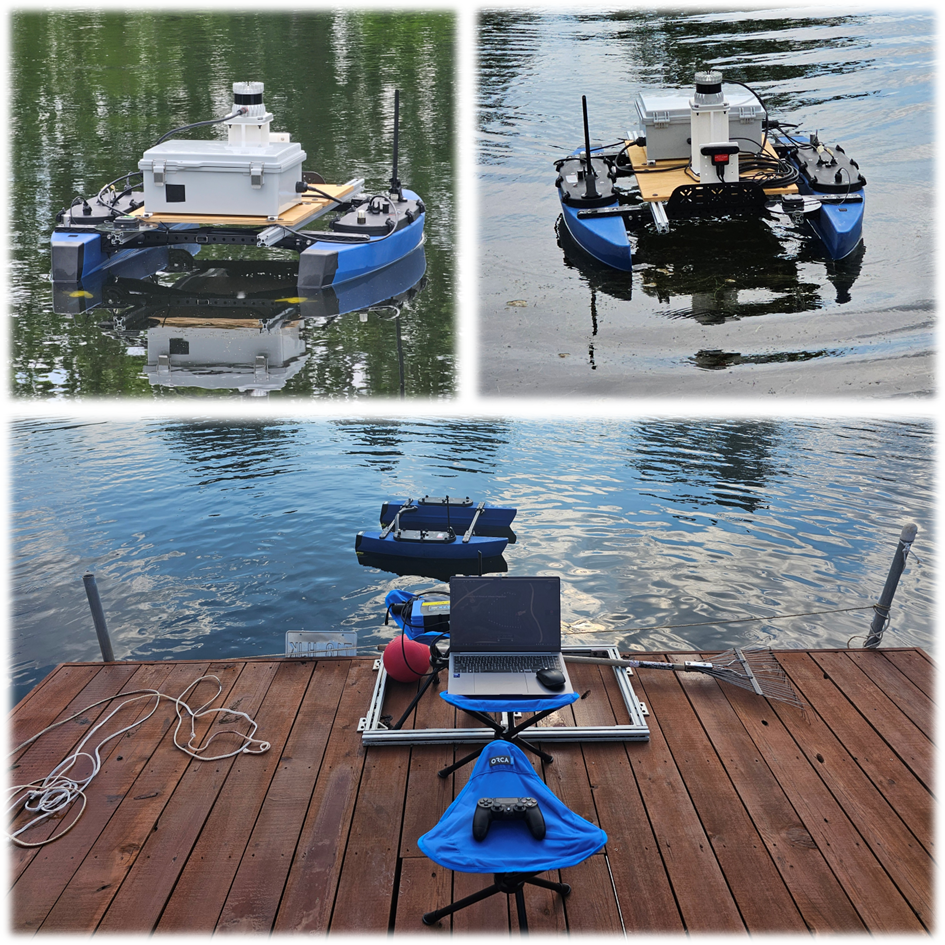
autonomous driving for a full-scale vehicle, a sonar-mapping system for an unmanned surface
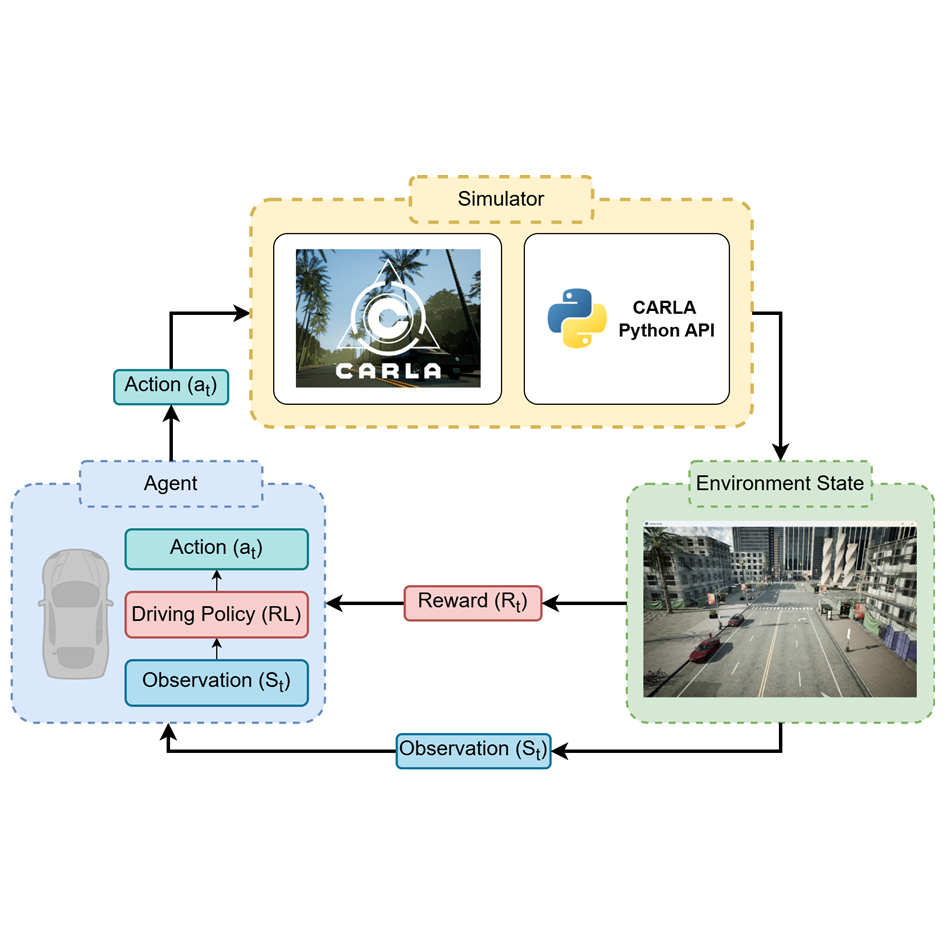
vessel, and a DDQN agent for urban navigation in CARLA.
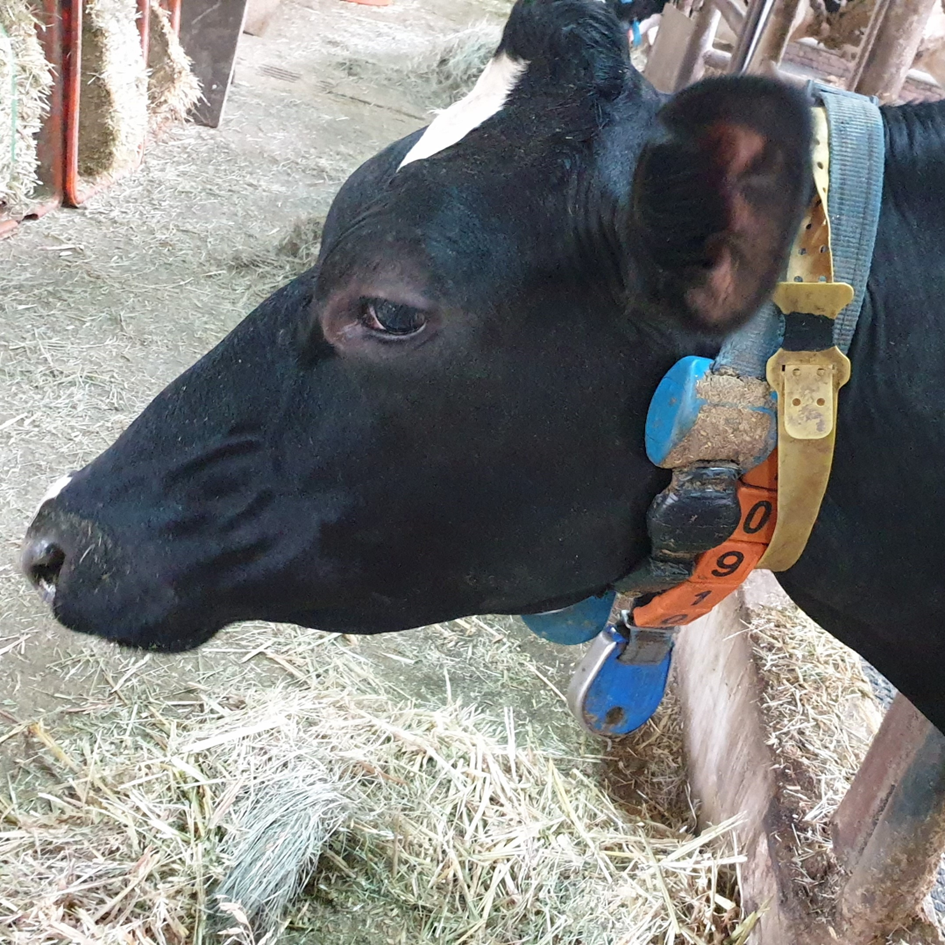
Before that, as a research assistant at National Taiwan University, he built an end-to-end
IoT system for dairy cattle health monitoring using IMU sensors, XGBoost models, and
PostgreSQL, published in Smart Agricultural Technology and at the 2023 ASABE
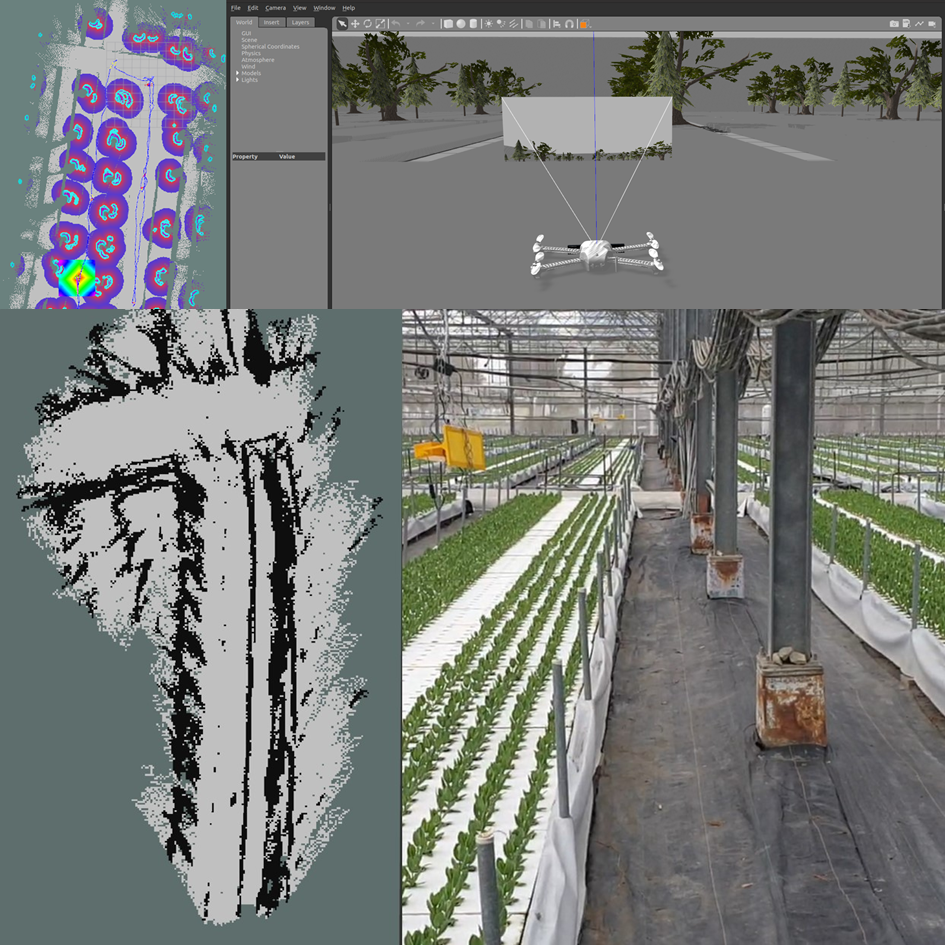
International Conference. His undergraduate thesis on GPS-denied UAV navigation earned a
fellowship from Taiwan's Ministry of Science and Technology.